The Gap Between Consumer 3D Scanners and Scanners for Professional Engineering Design
The Gap Between Consumer 3D Scanners and Scanners for Professional Engineering Design
Date: 22th January 2026
Not long ago, owning a 3D laser scanner was something limited to surveyors, large engineering consultancies, or specialist service providers. Today, consumer-grade scanners are increasingly appearing under Christmas trees (or birthdays, Eid, Diwali, Hanukkah – choose your favorite!). Falling hardware costs, improved ease of use, and the growth of 3D printing, VR, and digital content creation have made laser scanning feel accessible in a way it never was before.
But just how big is the jump between a hobbyist scanner and professional 3D laser scanning used for engineering design? And can consumer scanners realistically produce professional results?
Why Laser Scanners Are Becoming Popular Gifts
The consumer 3D scanning market has expanded rapidly over the past few years. By 2025, compact handheld scanners such as the Creality CR-Scan Otter, Revopoint MIRACO, and Shining 3D Einstar are estimated to account for tens of thousands of units sold annually. These devices promise fast results, colourful textured models, and minimal setup, making them particularly attractive to makers, designers, and digital creatives.
For many new users, a scanner represents a shortcut into 3D. The idea that you can scan an object, generate a model, and immediately use it for visualisation, 3D printing, or virtual environments is a powerful draw.
At Home vs Professional Scanners
At a glance, consumer and professional scanners appear to produce similar outputs. Both generate point clouds or meshes, apply textures, and export data into common formats. The differences become clear when you look beyond the visuals.
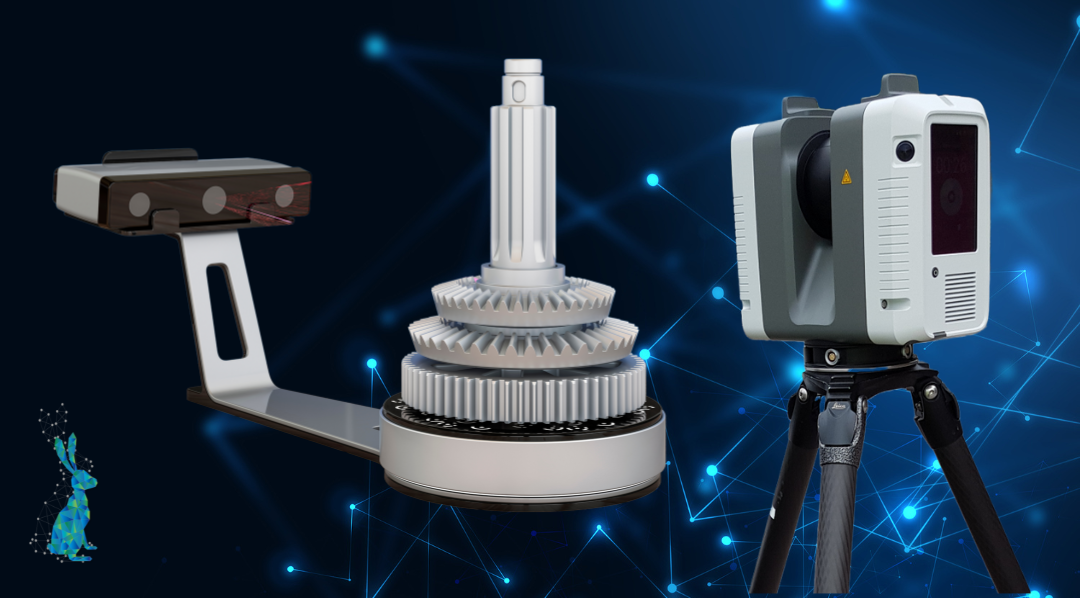
At-home scanners such as the Revopoint POP 3, Creality CR-Scan Ferret, or Einstar typically rely on structured light or low-power LiDAR. They are designed for short-range capture and perform well when scanning small objects or interiors under controlled conditions. Accuracy can be impressive at close range, but it degrades quickly as scale increases or environmental conditions become more challenging.
Industry-grade scanners such as the Leica RTC360, Leica BLK360, FARO Focus Premium, or Trimble X7 use high-precision time-of-flight or phase-based LiDAR. These systems are capable of scanning entire process plants, pipe racks, and steel structures from tens or even hundreds of metres away while maintaining consistent, verifiable accuracy. In industrial environments, that reliability is critical.
Hardware, Price Bands, and What You’re Paying For
Consumer scanners generally sit in the £300 to £2,000 range. Professional laser scanners typically start around £25,000 and can exceed £70,000 once software and accessories are included. The difference in cost is not simply about “better hardware”.
Professional systems are engineered for repeatability, long-range accuracy, environmental robustness, and calibration control. Just as importantly, they integrate directly into engineering workflows. Platforms such as Leica Cyclone, FARO Scene, and downstream CAD and BIM tools allow scan data to be used confidently for design, verification, and construction planning.
What You Can Actually Do With Each
Consumer scanners are extremely capable when used within their intended scope. They work well for scanning small components, capturing interiors for VR or AR, supporting basic reverse engineering, and producing models suitable for 3D printing or visual presentation. For early-stage concepts and communication, they can be highly effective.
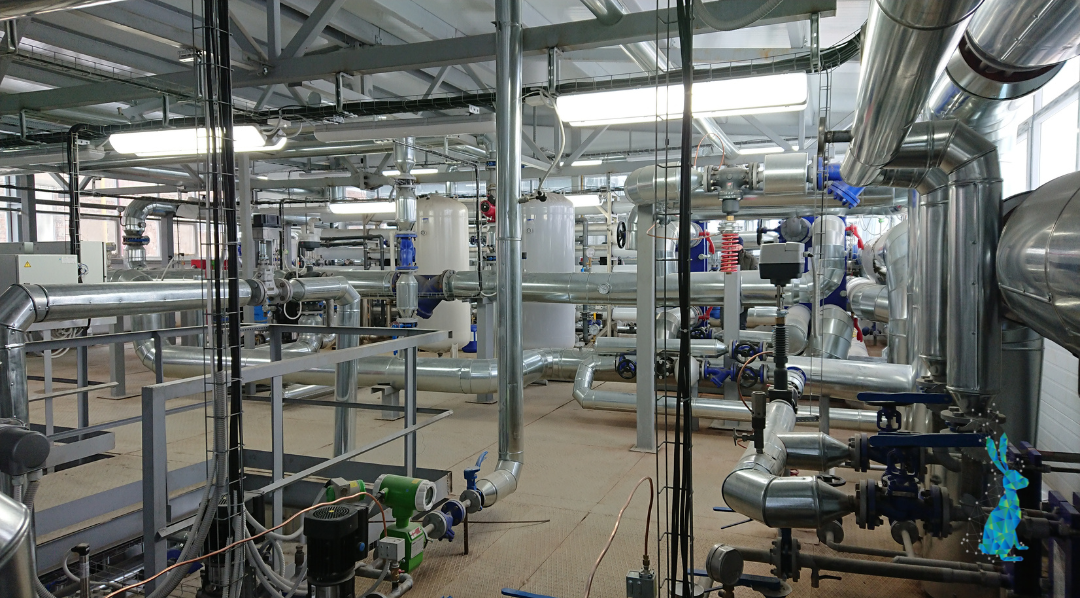
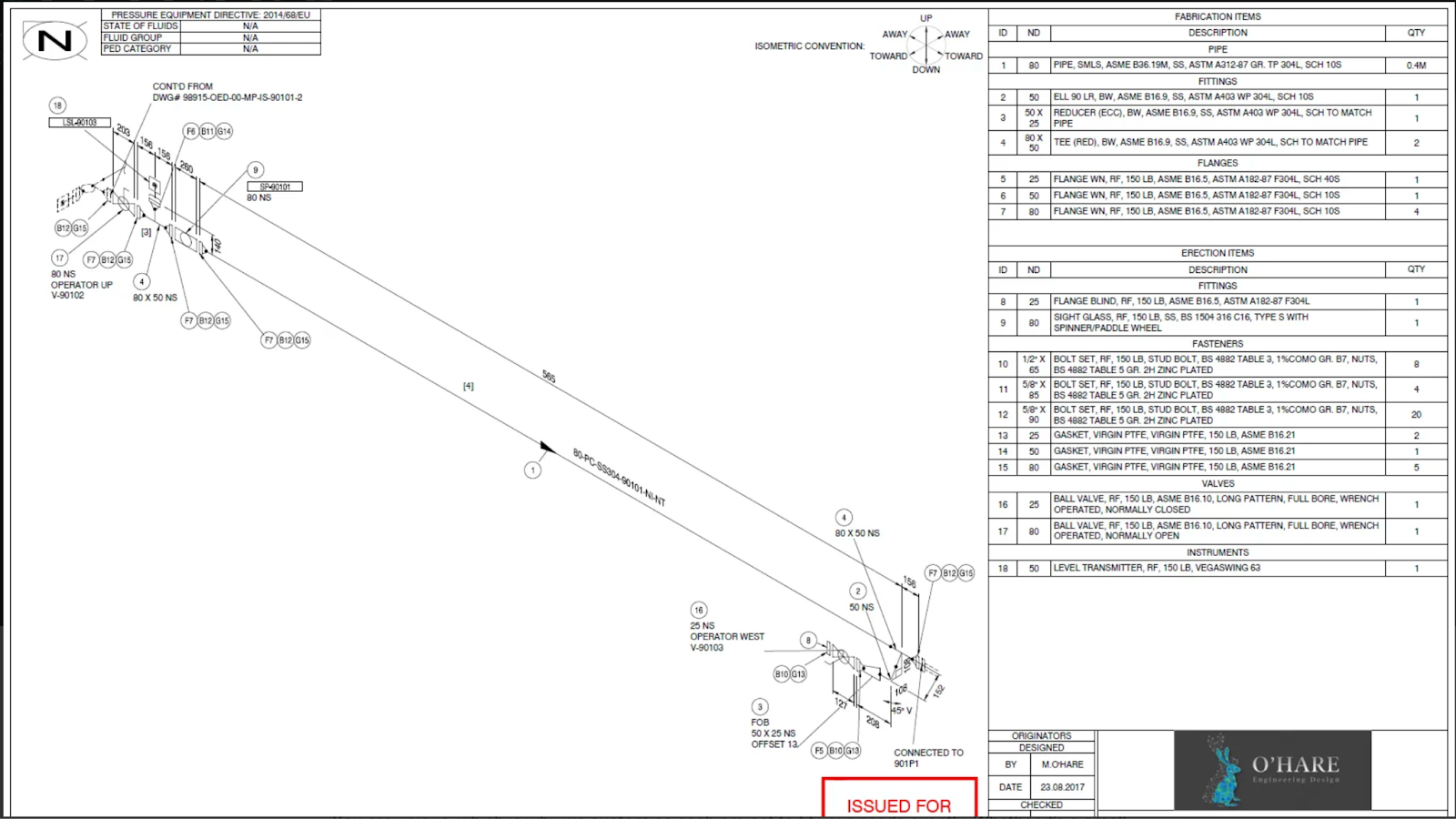
Professional scanners are built for an entirely different purpose. They are designed to capture large, complex environments such as chemical plants, where dense pipework, steelwork, and equipment must be measured accurately and reliably. The resulting point clouds can be used directly within CAD and BIM environments to produce layouts, routing studies, clash detection models, and verified as-built information.
Can You Get “Professional Results” from a Consumer Scanner?
The answer depends on what you mean by “professional”. Consumer scanners have clear technical limitations. Accuracy drops rapidly over distance, reflective stainless steel can introduce noise, and environmental factors such as bright sunlight, dust, steam, or vibration can significantly affect results. Calibration options and validation methods are also limited.
There are also significant workflow differences. Professional laser scanning involves planned scan strategies, control networks, robust registration, and verification processes. Data is cleaned, validated, and modelled to engineering standards before it is trusted for design. Consumer workflows, by contrast, prioritise speed and visual impact.
That said, consumer scanners often exceed expectations in areas such as textured visualisations, rapid capture, portability, and creative applications. They can play a valuable role in concept design, stakeholder communication, and visualisation.
Bridging the Gap Between Hobby and Industry
The leap from hobby scanning to professional engineering design is not defined by hardware alone. It is defined by process, experience, and responsibility. In chemical plants and other high-risk environments, scan data must be accurate, traceable, and trusted without question.
Consumer scanners are powerful creative tools. Industry scanners are engineering instruments. Knowing the difference (and when each is appropriate) is what turns scanning from an interesting gadget into a professional service.
Early, accurate site data reduces risk later in the programme. If you’d like to understand how professional laser scanning can de-risk your project before detailed design begins, get in touch.