Reverse Engineering One Gingerbread House At A Time
Reverse Engineering One Gingerbread House At A Time
Date: 09th December 2025
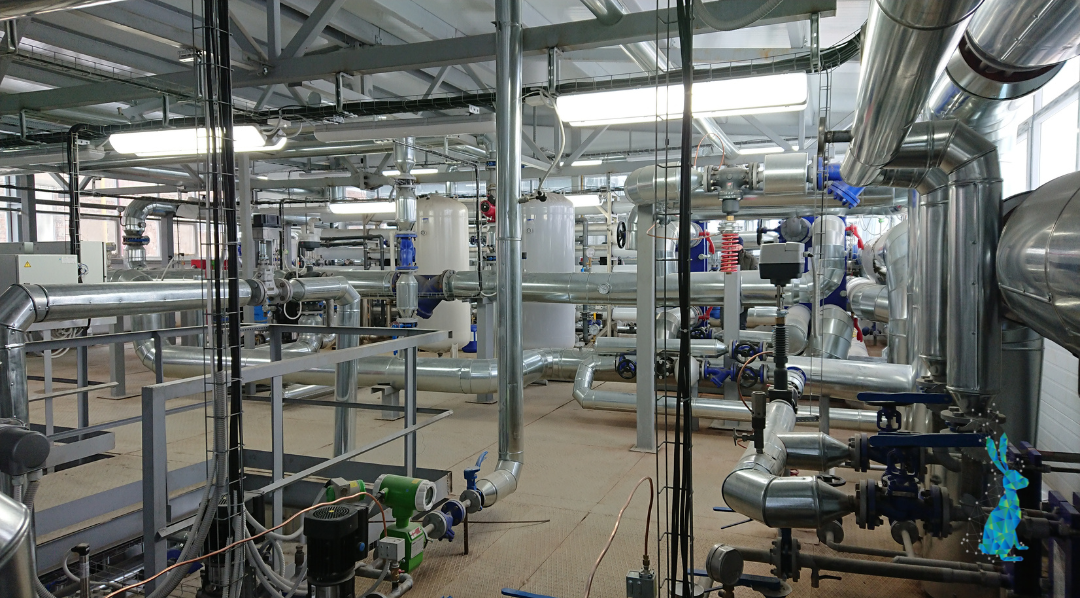
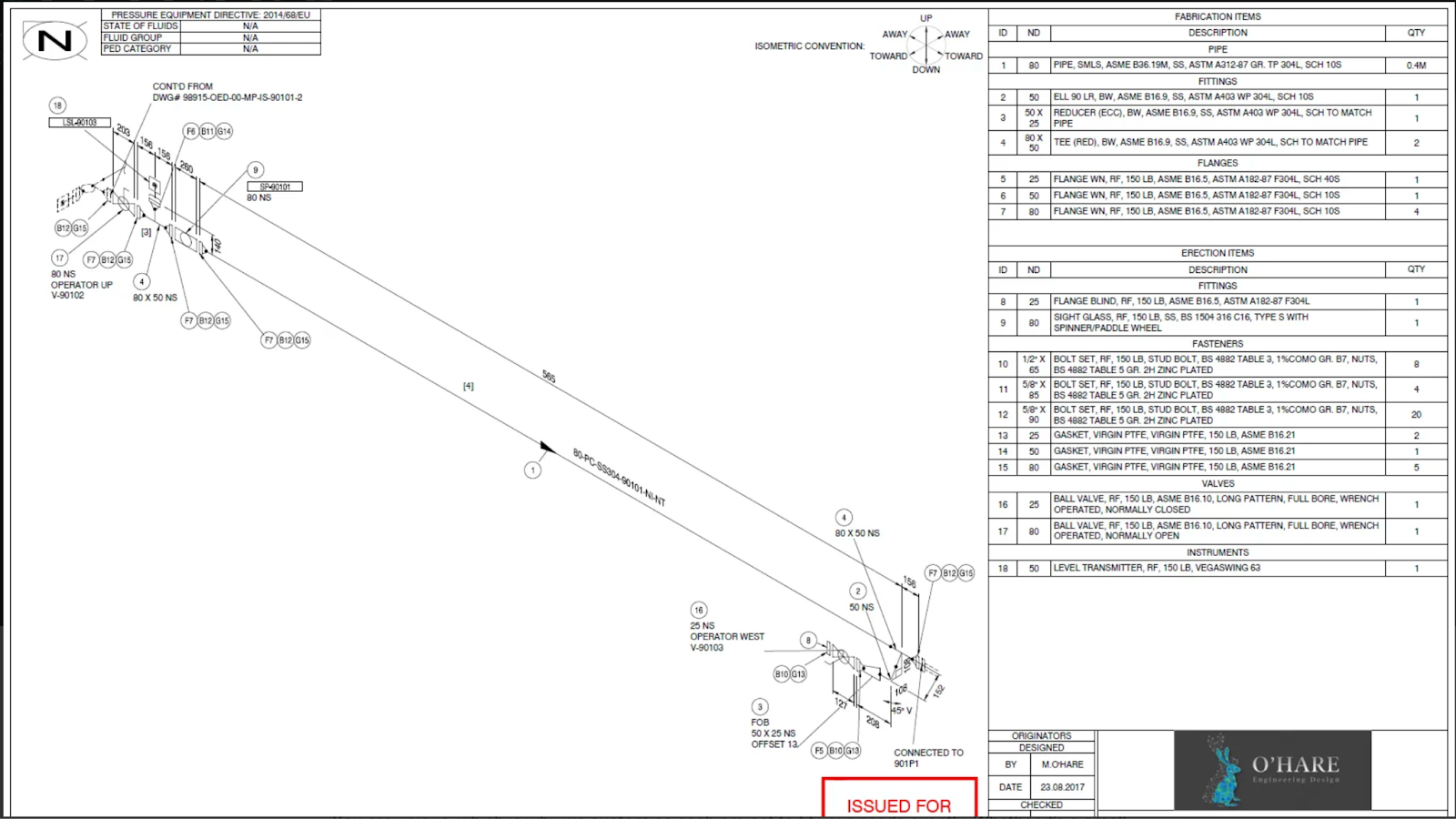
Ever wondered how to make a gingerbread house that actually stays up under the weight of all that icing and chocolate? At O’Hare Engineering, we spend our days reverse engineering complex pipework and vessels in chemical plants across the UK. It’s all about precision, planning, and making sure everything fits perfectly with no leaks and no surprises, just smooth operations.
This Christmas, we thought, why not take the same engineering skills we use in chemical plants and put them to a tastier use? A gingerbread house.
Turns out, the same principles that keep industrial plants running smoothly can also stop your festive creations from collapsing… and make them look pretty impressive too.
What is Reverse Engineering?
In the industrial world, reverse engineering is basically taking something that already exists, like a tank, a network of pipes, or a pressure vessel, and turning it into a precise digital model. With 3D laser scanning, we can capture every curve, bend, and flange, which then lets us refurbish, retrofit, or redesign with confidence. It’s all about turning a physical structure into a virtual one that you can analyse, tweak, and replicate.
Now imagine doing the same thing with a gingerbread house. Every icing pipe becomes a bit like a pipe in a plant, each candy cane a structural support, and that chocolate roof? A vessel that’s got to hold all the festive cheer inside. The rules are exactly the same: measure, model, optimise, test. And just like in a chemical plant, one badly placed candy cane can bring the whole thing tumbling down. Gravity doesn’t care if it’s chocolate or steel.
Challenges in Reverse Engineering
Chemical plants aren’t exactly Lego sets. Pipework runs in every direction, access is tricky, and safety regulations never take a holiday. Even the smallest misalignment can cause costly downtime, operational issues and additional work down the line. 3D scanning helps us overcome these challenges by creating highly accurate models we can trust by capturing every curve, every bend, and every corner that is otherwise difficult to reach.
And, although they may seem totally unrelated, gingerbread houses have their own challenges that design engineers can learn from…
Icing walls can sag, especially when you pile too many sweets on top.- Matchmaker supports can slip or slide, sending jelly beans tumbling.
- Roof panels might collapse under the weight of chocolate shingles or marshmallow snow.
In both cases, careful measurement, planning, and a little engineering magic save the day. You can think of icing as your “pipework material” and chocolate as the “vessel integrity” test. Too much or too little, and the whole structure is at risk.
Reverse Engineering a Gingerbread House
Here’s how we’d take our industrial engineering approach and apply it to gingerbread:
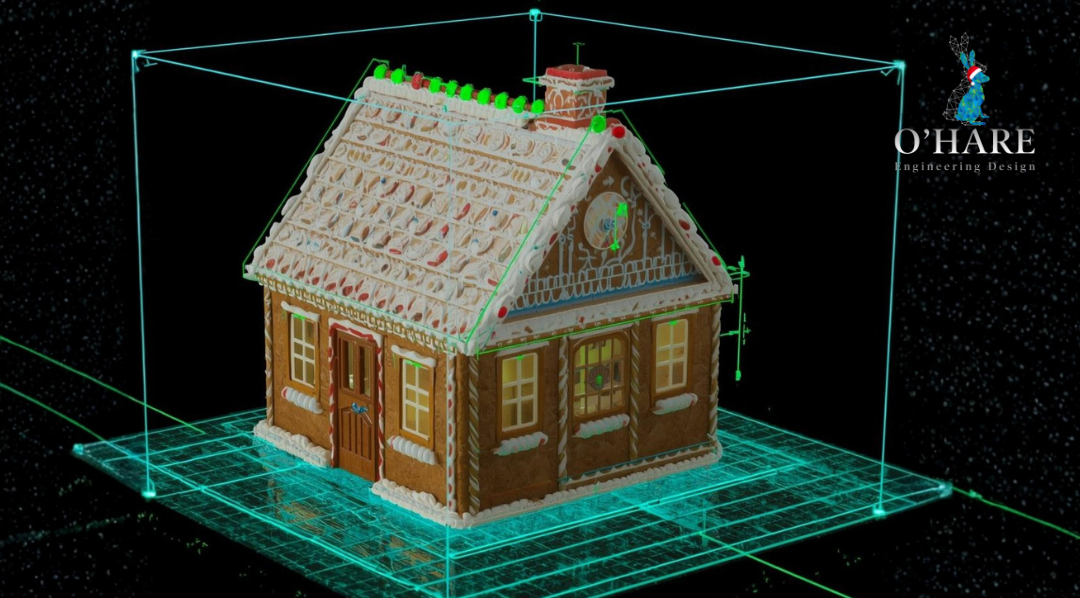
Scanning: Grab your elf-sized laser (or just a tape measure) and capture every angle, wall, and roof panel. Keep an eye out for uneven surfaces. One crooked drainpipe could spell disaster!- Modelling: Next, create a CAD version (or a “ginger-CAD” version) of your house. This lets you plan exactly where each sweet goes, how thick the icing walls should be, and whether that chocolate roof can actually hold its own weight.
- Optimisation: Adjust icing thickness, reposition candy canes, and strengthen any weak walls to tweak, reinforce and make it as strong as possible. Think of it like retrofitting a plant. You’re strengthening up the weak points before the full load is applied.
- Testing: Finally, make sure your roof can handle the weight of chocolate snow.
It turns out, industrial engineers and gingerbread architects have a lot in common!
Just like a crooked candy cane can bring down a gingerbread roof, a misaligned pipe or poorly fitted flange in a chemical plant can cause serious problems, although thankfully, the consequences are usually less sticky. The same principles apply for both gingerbread and design engineering. You’ve got to measure carefully, plan thoughtfully, reinforce where needed, and test before you finish. Whether it’s chocolate or steel, attention to detail keeps everything standing tall and running smoothly.
What Gingerbread Teaches Us About Engineering
Whether you’re scanning a reactor vessel or a gingerbread roof, the same lessons apply:
Accuracy matters. Don’t guess your measurements. One crooked candy cane can cause as much trouble as a misaligned flange.- Planning saves time (and sugar). Knowing exactly where each piece goes before you start means fewer rebuilds (and fewer grumpy elves).
- Small details make a big difference. In both chemical plants and festive creations, it’s the little things. A thicker icing wall here, a reinforced corner there that keeps everything standing tall.
And, of course, it’s always more fun when you sprinkle in a little chocolate.
Fun Takeaways
This holiday season, why not try a bit of reverse engineering at home? Whether it’s Lego, a gingerbread house, or even a snow fort, a little careful measurement and planning can make all the difference. Scan your favourite decorations, sketch a model, or test your design before committing to the full build.
And if nothing else, it’s the perfect excuse to enjoy some hot chocolate while doing a little precision work. Even if your gingerbread house isn’t picture perfect, you’ll end up with a structure that actually stands… and tastes fantastic!
So, whether you’re inspecting a chemical plant, retrofitting a network of pipes, or building the ultimate gingerbread masterpiece, the principles are the same… measure carefully, plan thoughtfully, and reinforce where needed.
From all of us at O’Hare Engineering Design Ltd, Merry Christmas!