Bringing Walking Dead Plant Drawings Back to Life
Bringing Walking Dead Plant Drawings Back to Life
Date: 20th Oct 2026
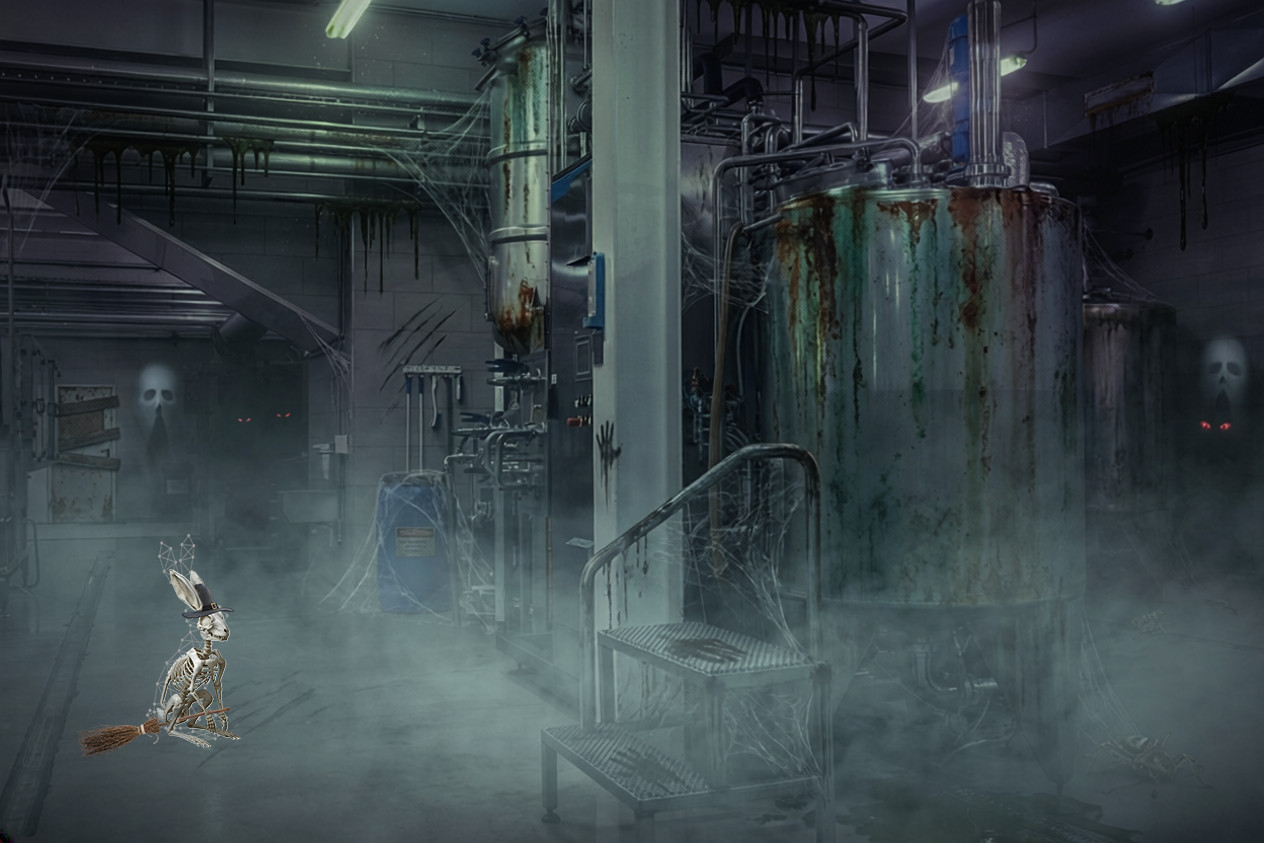
There’s nothing quite like that sinking feeling when a shortcut you took months (or even years) ago comes back to haunt you…
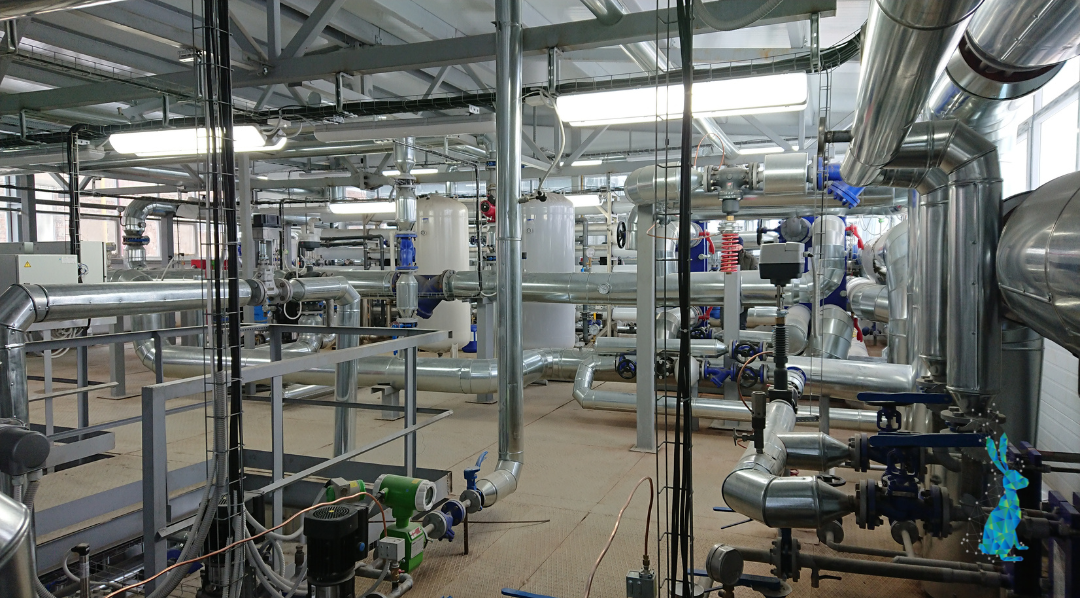
And when it comes to food and beverage production facilities, those ghosts of projects past can be more than a little inconvenient. Over the years, production lines get added, equipment gets moved, pipework takes a different route and the odd “temporary” fix somehow becomes permanent. Before you know it, the factory floor looks very different from the drawings tucked away in a drawer.
That’s all well and good until you start planning your next upgrade. You’ve got a design that looks great on paper, a pipework route that seems perfectly sensible and a project ready to go. Then you get on site and discover a vital access route that’s suddenly much tighter than expected.
Suddenly, those outdated drawings are more trick than treat. So, how do you stop the past from getting in the way of your next project?
When drawings don't match reality
Upgrades to existing food production facilities are all part of keeping things running smoothly. And when something needs changing, it can be tempting to take a few shortcuts, shuffle some equipment around or tweak the pipework without bothering to update the drawings. After all, if it’s only a small change, what’s the harm? Well, those little changes have a habit of coming back to haunt you…
You kick off a project thinking the new pipework route looks straightforward. The drawings check out, the space looks fine and everything seems to be going to plan. Then the installation starts, and suddenly there’s an existing pipe right where the new one needs to go. Or that tank you thought was in the corner has been moved, leaving you with barely enough room to squeeze through, let alone install new services. What looked like a simple job has quickly turned into a design headache, with extra site visits, unexpected costs and delays creeping onto the schedule.
And it’s easy to see how it happens. Food production facilities change all the time. New lines are added, equipment is relocated, services are rerouted and temporary fixes sometimes become permanent. Some of these changes make it onto the drawings, but others get forgotten along the way. Before you know it, the plans you’re working from no longer reflect what’s actually on the factory floor.
The problem is that even a small change can have a knock-on effect. A relocated piece of equipment might block a proposed pipe route, a new service could restrict access to a valve, or a lack of space might make installation far trickier than expected. And in food manufacturing, where work often needs to fit around live production schedules, discovering these issues halfway through a project can be particularly disruptive.
So, how do you stop those ghosts of projects past from derailing your next upgrade?
Bringing the dead back to life with 3D laser scanning
Before you start planning what comes next, it helps to know what you’re actually working with. And if the drawings are looking a little worse for wear, it might be time to get a fresh picture of what’s happening on site.
Laser scanning offers a highly accurate way to capture the existing conditions of your facility, capturing millions of measurements from visible surfaces, including existing pipework, processing equipment, tanks and structural steelwork. All that data is brought together into a point cloud.
This means that instead of relying on drawings that might be missing a few updates (or more than a few!), engineers can explore the scanned area from different angles, get a much clearer idea of how everything fits together and see where the reality on site doesn’t quite match the plans. That means spotting tight spaces, awkward layouts and potential problem areas before they turn into headaches during installation.
Of course, laser scanning can only capture what the scanner can see, so hidden pipework, equipment tucked behind obstructions and inaccessible areas may still need a closer look. But when the scan is planned properly and the data is captured well, it gives you a much more reliable starting point for design. Rather than crossing your fingers and hoping the old drawings are right, you can make decisions based on a clearer picture of what’s actually there.
From point cloud to 3D model
But capturing the existing site is only half the job. The real benefit comes from using that scan data to plan what happens next.
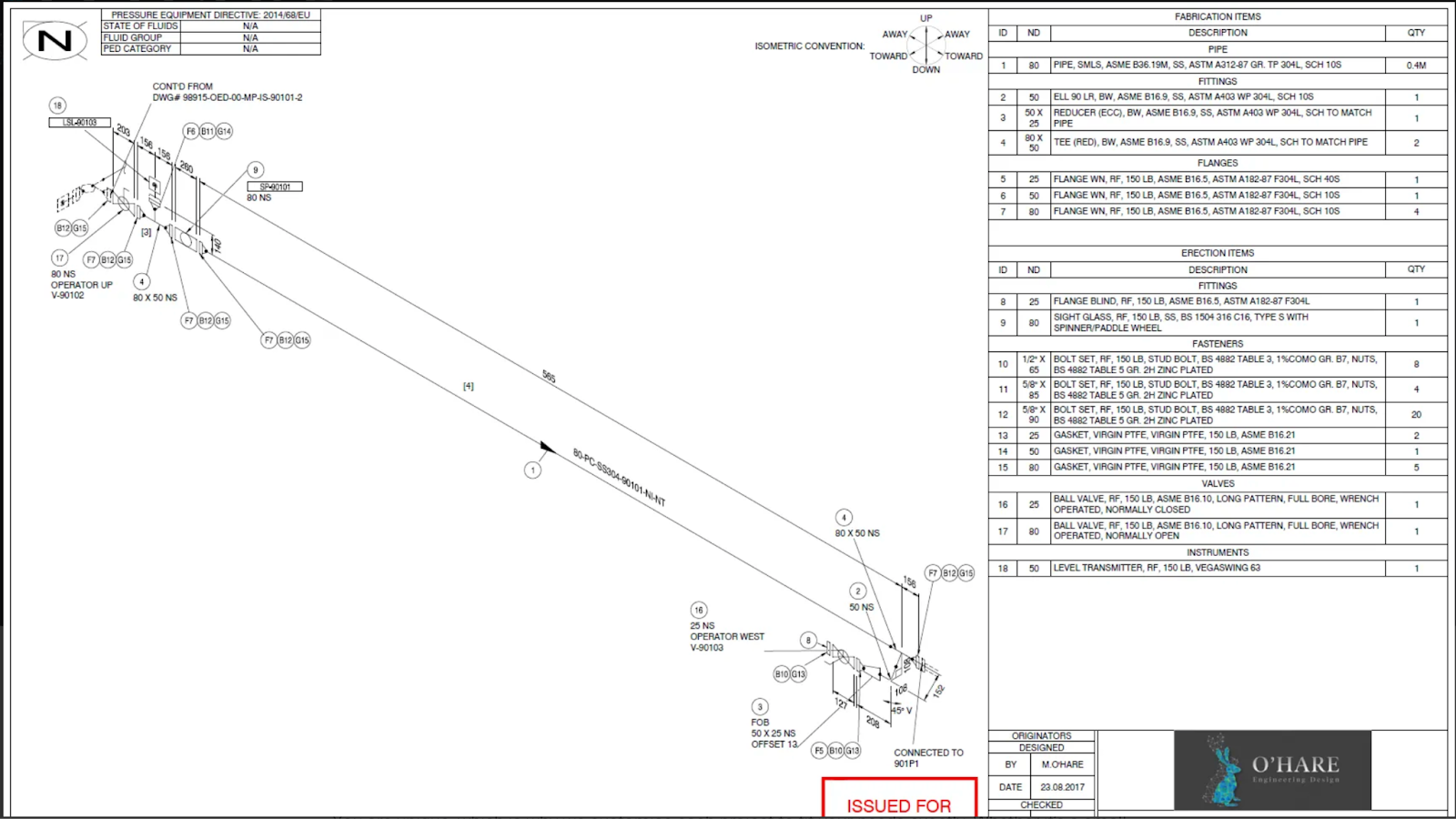
Engineers can use the data to build 3D models of proposed modifications and see how new pipework will fit around existing equipment and structures. It gives everyone a clearer idea of what the finished installation will look like and makes it easier to spot potential problems before they become expensive site issues.
For lots of large facilities, this is particularly useful when it comes to:
- Spotting where new pipework could clash with existing pipes, equipment or structural steelwork.
- Finding practical piping routes that make the best use of the available space.
- Making sure valves, equipment and other components remain accessible for maintenance, inspection, cleaning, and replacement.
- Factoring in hygiene, cleaning requirements, drainage and process needs from the outset.
- Giving everyone involved a clearer picture of the proposed layout before installation begins.
At the end of the day, it's far easier to resolve a clash on a screen than to discover it halfway through an installation, when changes can mean extra labour, additional costs and delays.
Why accurate modelling matters in food production
In food and beverage manufacturing, pipework design has to account for more than the available space. The type of product being handled, how the system is cleaned and the demands of the production process all influence how pipework needs to be designed and installed.
For example, pipe gradients can affect drainage, CIP systems need to reach the parts of the process they are intended to clean, and poorly positioned pipework can make routine inspection or maintenance difficult. Depending on the application, there may also be specific requirements around hygienic design, preventing product retention and avoiding areas where contamination could occur.
These considerations need to be factored in from the start, rather than dealt with once installation has started. A pipe route that looks fine on a drawing may create problems in practice if it compromises drainage, restricts access to a valve or makes part of the system difficult to clean.
Combining laser scan data with accurate 3D piping models gives engineers a better basis for assessing these details against the realities of the existing facility. It helps bring the practical demands of food production into the design process early, reducing the risk of discovering that a proposed solution works on paper but not on the factory floor.
Don't let your drawings haunt your next project
Don’t let outdated engineering drawings haunt your next project! At O’Hare Engineering, our 3D laser scanning,modelling and engineering services help you capture existing site conditions, identify potential clashes and prevent costly surprises before work begins. By keeping drawings and models up to date, you can ensure reliable engineering information for future projects and plan your next food production upgrade with confidence. Find out more about our
3D laser scanning services and
3D modelling and visualisation services.