Taking the Guesswork Out of Stress Analysing in Chemical Plants

Taking the Guesswork Out of Stress Analysing in Chemical Plants
Date: 1st July 2026
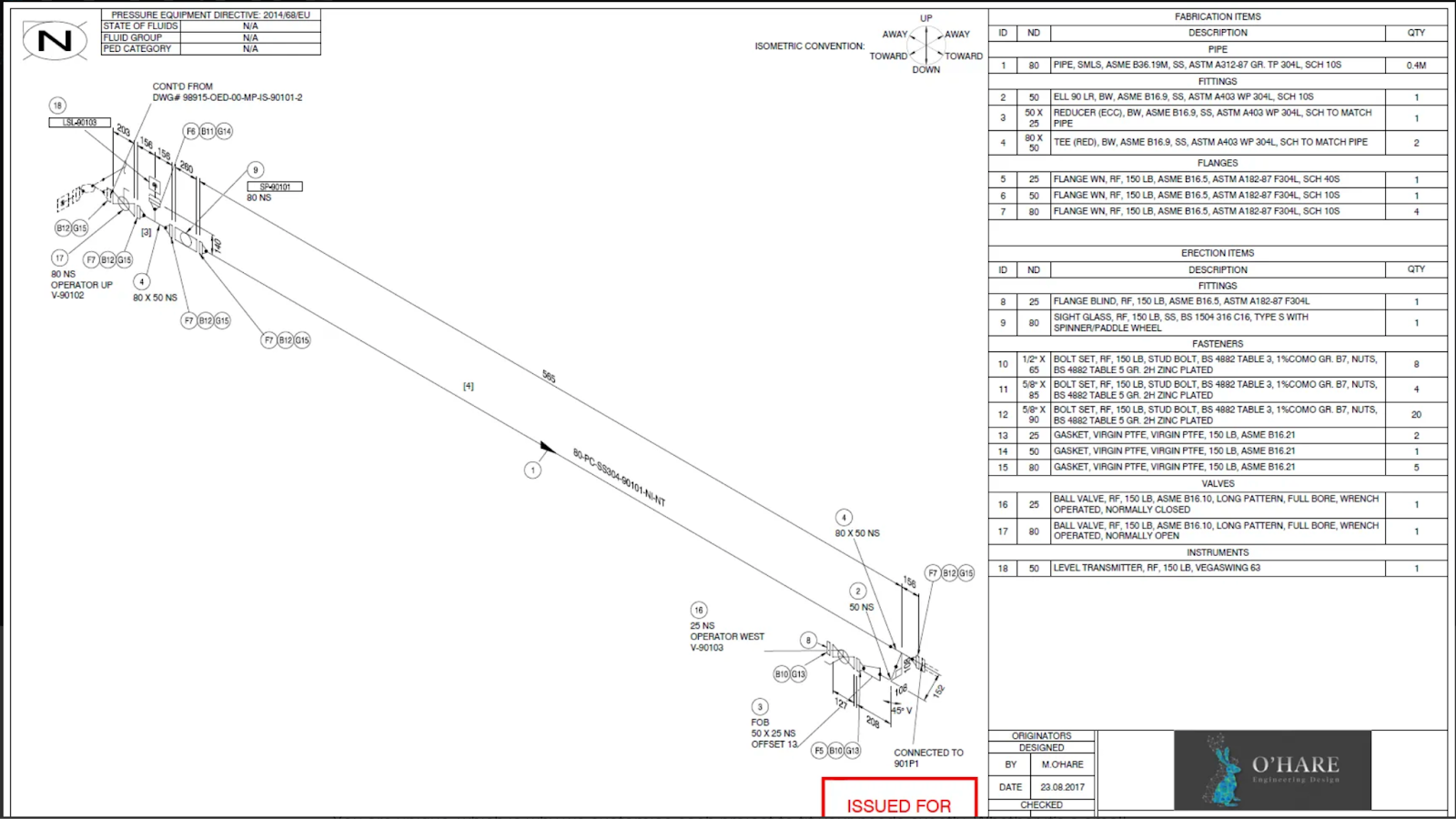
Stress analysing often gets treated as a technical box to tick, but in reality, it sits right at the centre of delivering a safe and reliable plant. If you’re managing a project, whether that’s a shutdown, upgrade, or new install, you’re not just delivering to a drawing. You’re responsible for making sure everything performs as it should when the plant is actually up and running.
At its core, stress analysing is about understanding how systems behave when they’re pushed. That might be pressure changes, temperature fluctuations, vibration, or load. When it’s done properly, it highlights weak points early, before they turn into failures, delays, or expensive fixes further down the line.
In the UK, there’s also the compliance side to consider. Demonstrating that systems have been properly assessed under realistic conditions isn’t a “nice to have”, it’s part of meeting safety and regulatory expectations.
The problem with relying on old data
One issue that crops up on almost every project is the quality of the information you start with.
Drawings might look fine on paper, but they’re often years out of date. CAD models don’t always reflect site changes, and data can be spread across different systems or teams. Put simply, what you’re looking at isn’t always what’s actually there.
And as anyone who’s worked on a live plant knows, things change constantly. Pipework gets adjusted to make things fit, supports are moved, equipment is swapped out. None of this is unusual, it’s just how sites evolve over time.
The problem is, those “small” changes don’t stay small when you start stress testing. A slight misalignment or a shifted support can affect how a system behaves under load.
From a project point of view, that’s where things start to unravel. You’re making decisions based on assumptions, not verified conditions. That’s when you see issues like inaccurate analysis, clashes on site, installation delays, and costs creeping up as problems get fixed later than they should be.
What 3D laser scanning actually gives you
This is where 3D laser scanning makes a real difference.
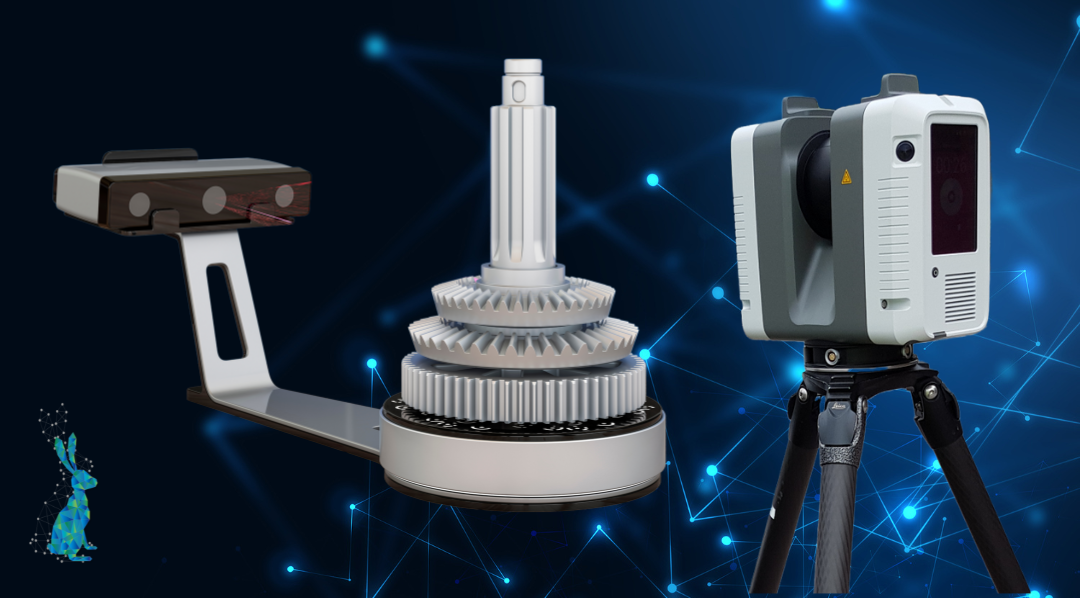
Instead of relying on what the plant should look like, you’re capturing what it does look like down to a very high level of accuracy. The scan collects millions of data points and builds a complete picture of the site as it stands at that moment in time.
For project managers, that means one thing: confidence. You’re working from a dataset that reflects reality, not guesswork.
It’s particularly useful on brownfield projects, where existing conditions are usually the biggest unknown.
From scan to stress testing
Once the data’s been captured, it can be turned into a 3D model that represents the as-built plant.
From there, stress analysis can be carried out on something that actually matches site conditions. That’s a big step forward from relying on legacy models.
It also means the finer details get picked up. Small pipe misalignments, slight variations in supports (things that would normally get missed) are included in the analysis. Under stress, those details matter.
The end result is more reliable outputs and fewer surprises later on, meaning smoother design reviews, more informed decisions, and less firefighting during installation or commissioning.
Reducing risk without disrupting the plant
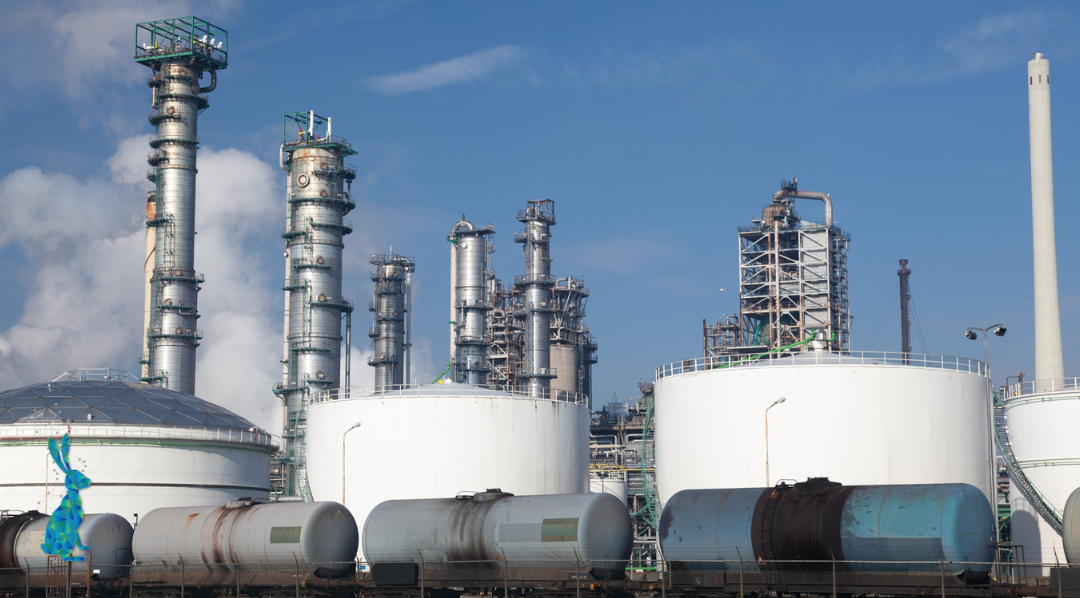
Trying to carry out physical stress testing on a live chemical plant isn’t always practical. It can mean downtime, added safety controls, and extra cost.
Using scan data, a lot of that work can be done virtually instead. Different scenarios can be tested, potential issues explored, and system behaviour understood, without touching the live environment.
It also means problems can be picked up earlier, when they’re easier (and cheaper) to deal with.
Keeping everyone on the same page
Another benefit that often gets overlooked is coordination. When everyone is working from the same accurate 3D model, it removes a lot of the back-and-forth. Engineers, contractors, and stakeholders are all looking at the same information, which cuts down on confusion and mismatched assumptions. It’s especially useful during design coordination and clash detection, where accuracy really matters.
Final thoughts
Stress testing is only as good as the data behind it. If the starting point isn’t right, everything that follows is on shaky ground.
3D laser scanning doesn’t overcomplicate things, it just gives you a clear, accurate view of what’s actually on site. From a project management perspective, that translates into better decisions, fewer surprises, and more control over risk.
If you’re working on a live plant and questioning the accuracy of the information you’ve got, it’s probably worth a conversation. Getting it right at the start saves a lot of time and cost further down the line.
Drop us a line at enquiries@ohare-eng.co.uk if you want to talk it through.